
Key takeaways
- A silicone emulsion disperses silicone in water, making it easy to dilute, handle and formulate.
- The three core families are methyl (dimethicone), amino (hydroxyl/amino-functional) and elastomer emulsions.
- Benefits include soft hand-feel, water repellency, defoaming, lubrication and release performance.
- Emulsions cut VOCs versus solvent systems and are widely used in personal care and textiles.
A silicone emulsion is a stable dispersion of silicone (oil, gum or elastomer) in water, held together by surfactants. By turning water-immiscible silicone into a water-dilutable system, emulsions make silicone easy to dose, blend into aqueous formulations and apply — without the cost and VOC burden of solvents.
How silicone emulsions are made
Silicone is combined with emulsifiers and water under high shear to form fine, uniform droplets. Particle size drives appearance and performance: macroemulsions look milky and deposit a robust film, while microemulsions are translucent-to-clear and penetrate fibers for a durable, breathable finish.
The three main types
1. Methyl (dimethicone) emulsions
Based on dimethyl silicone fluid, these deliver lubrication, gloss, water repellency and defoaming. They are common as release agents, tyre and rubber lubricants, polish bases and process defoamers.
2. Amino / hydroxyl-functional emulsions
Amino-functional silicone bonds to fibers to give fabrics and hair a luxurious, silky hand-feel with lasting softness and smoothness — the workhorse of textile softeners and hair conditioning.
3. Elastomer emulsions
Cross-linked silicone elastomer suspensions provide a soft-focus, matte, sensory finish used in skincare and color cosmetics to improve texture and reduce shine.
Key benefits
- Soft, silky hand-feel on textiles, tissue and hair.
- Water repellency and protection for fabrics, leather and building materials.
- Lubrication and release for molding, rubber and plastics processing.
- Defoaming in coatings, pulping and industrial fluids.
- Low VOC and easy handling versus solvent-borne silicone.
- Formulation flexibility — dilutable and compatible with many aqueous systems.
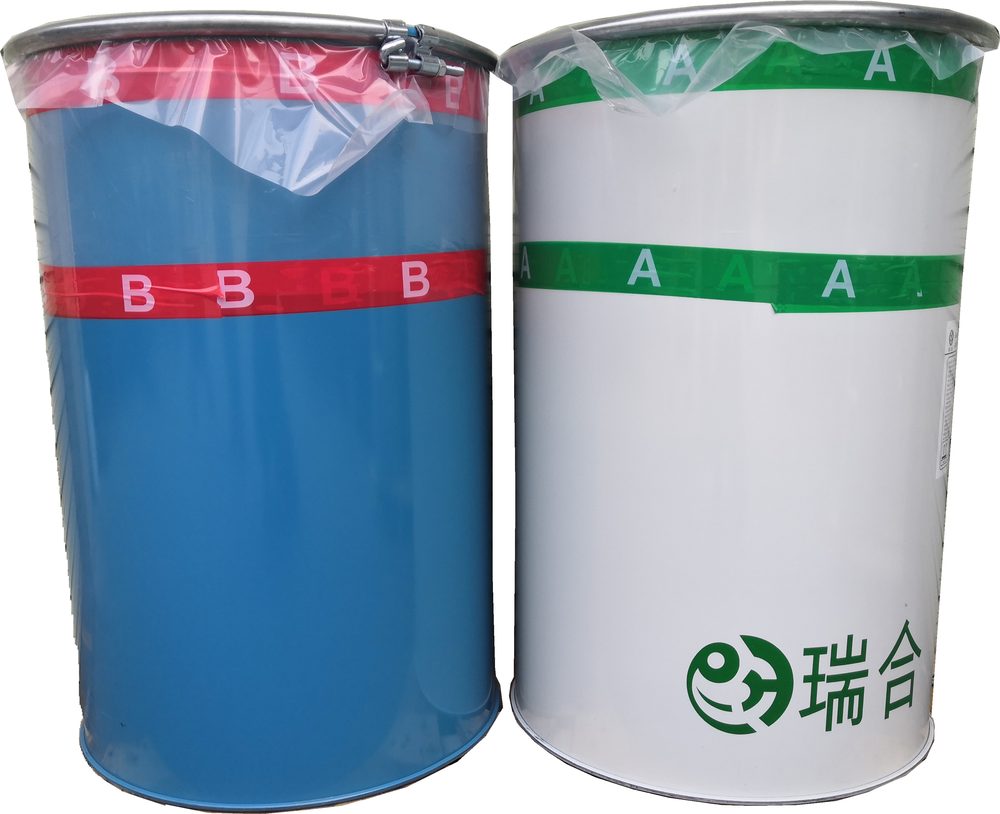
Ruihe supplies methyl, amino and elastomer emulsions for textile, personal-care and industrial use.
Where they are used
Personal care relies on emulsions for conditioners, creams and primers; textiles use amino softeners for hand-feel and hydrophobicity; industry uses methyl emulsions for release, lubrication and defoaming across rubber, plastics and coatings.
Conclusion
Silicone emulsions bring the performance of silicone into water-based processes safely and economically. Choosing the right type — methyl, amino or elastomer — and the right particle size is the key to the finish you want.